
Deskripsi Produk
HangZhou P&M Plastic Metal Product Co., Ltd.
Sertifikasi
Profil Perusahaan
We main do all kinds of 3D design, 3D printing, CNC machining and plastic metal molds and products. We have our own engineer and factory, so that we can customize any plastic and metal products for our customer.We have over 10 years of experience in design, molding&mass production, We do our best to meet the requirements of our customers.
We are committed to providing the best service and quality products to our customers. At the same time, we understand that our employees, production facilities and intellectual property are our company’s most important assets.
As a fast-growing company, we are committed to taking on more social responsibilities.
We are located in HangZhou, ZHangZhoug Province.
We always adhere to the principles of quality first and time first. While providing customers with the highest quality products, try to maximize the production efficiency and shorten production time.
We are proud to tell every customer that our company has not lost any customer since its establishment. If there is a problem with the product, we will seek a solution actively and take responsibility to the end. Please choose us and let us be partners in long-term cooperation.
Products Description
Exhibition
Plastic Injection Mould making
1. Samples/Drawing &Requirement from you.
2. Mould design: we will Communicate and Exchange the opinion with you after you place order.
3. Material Purchase: Steel cutting and Mould base tooling.
4. Assembling.
5. Inspection of mould: following and controlling the tooling processing.
6. Mould testing: We will inform you the date.Than will send the sample’s inspection report&injection parameters with the sample to you!
7. Your instruction &confirmation for shipment.
8. Ready made mould before packing.
9. We provide any differeny kinds of plastic injection mould, blow mould, silicone mould, die casting mould service.
Plastic molding Specification
1. Professional manufacturer,design,production injection mould and stamping mould quality control .
2. Rich export experience plastic injection mould and stamping mould.
3. Reasonable price of design mould .
4. Cavities: single or as per your requirements cavity.
5. Treatment: S45C Pretreat>25Hrc,And Nitriding.
6. Mould Steel: Cavity, Core and slide: P20, 2738, 2136 available Moldbase :LKM available.
7. Standard:DEM, HUSKY, available.
8. Hot runner: according to your demand.
9. Life time: >300 Thousand Times.
10. Package: Plywood case, anti-rust paint.
Spesifikasi
|
We promise |
All customer-centric, never for short-term profit, and sell long-term benefits |
|
We produce |
Mold, prototype, injection molding, product assembly, surface printing, spraying the surface integration |
|
Pls provide |
2D, 3D, samples, or the size of the multi-angle pictures |
|
Mould Time |
20-35 Days |
|
Product time |
7-15 Days |
|
Moud precision |
+/-0.01mm |
|
Masa pakai cetakan |
50-100 million shots |
|
Producing Process |
Audit drawings – mold flow analysis – design validation – Custom Materials – mold processing – core processing – electrode |
|
Mould cavity |
One cavity, multi-cavity or same different products be made together |
|
Mould material |
P20,2738,2344,718,S136,8407,NAK80,SKD61,H13 |
|
Runner system |
Hot runner and cold runner |
|
Base material |
P20,2738,2344,718,S136,8407,NAK80,SKD61,H13 |
|
Menyelesaikan |
Pitting the word, mirror finish, matte surface, striae |
|
Standar |
HASCO, DME or dependent upon |
|
Main thechnology |
Milling, grinding, CNC, EDM, wire cutting, carving, EDM, lathes, surface Finish, etc. |
|
Software |
CAD,PRO-E,UG Design Time: 1-3 days (normal circumstances) |
|
Bahan produk |
ABS,PP,PC,PA6,PA66,TPU,POM,PBT,PVC,HIPS,TPE,PC/ABS, TPV, TPO,T PR,EVA,HDPE,LDPE,CPVC,PVDF,PPSU. |
Packing & Delivery
Packaging according to your needs
1. By air ,it takes 3-7 days for delivery. The goods can be shipped by DHL , Fedex , UPS .
2. By sea ,the delivery time is based on your port.
To South East Asian Countries takes about 5-12 days.
To Middle east countries takes about 18-25 days.
To European countries takes about 20-28 days.
To American countries takes about 28-35 days.
To Australia takes about 10-15 days.
To African countries takes about 30-35 days.
Pertanyaan yang Sering Diajukan (FAQ)
/* 10 Mei 2571 16:49:51 */!function(){function d(e,r){var a,o={};try{e&&e.split(“,”).forEach(function(e,t){e&&(a=e.match(/(.*?):(.*)$/))&&1
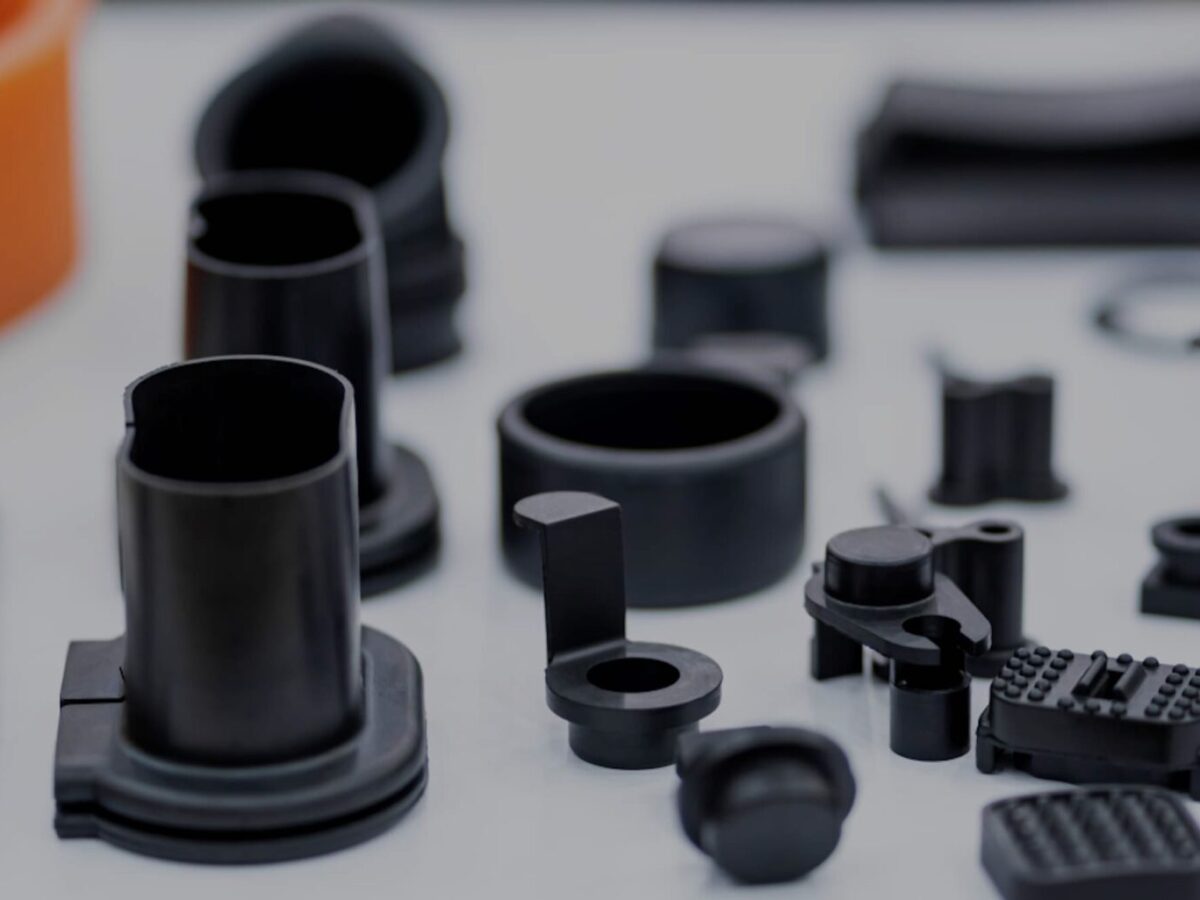
Bagaimana proses pencetakan injeksi berkontribusi pada produksi komponen presisi tinggi?
Proses pencetakan injeksi dikenal luas karena kemampuannya menghasilkan komponen presisi tinggi dengan kualitas yang konsisten. Beberapa faktor berkontribusi pada presisi yang dicapai melalui pencetakan injeksi:
1. Desain Perkakas dan Cetakan:
Desain dan konstruksi cetakan injeksi memainkan peran penting dalam mencapai presisi tinggi. Cetakan biasanya dibuat dengan teknik pemesinan presisi, memastikan dimensi yang akurat dan toleransi yang ketat. Desain cetakan mempertimbangkan faktor-faktor seperti penyusutan bagian, saluran pendingin, lokasi gerbang, dan mekanisme pengeluaran, yang semuanya berkontribusi pada akurasi dimensi dan stabilitas bagian selama proses pencetakan.
2. Pengendalian Material:
Pencetakan injeksi memungkinkan kontrol yang tepat atas material yang digunakan dalam proses. Material plastik cair diukur dan dikontrol dengan cermat, memastikan sifat material yang konsisten dan mengurangi variasi pada bagian yang dicetak. Kontrol atas parameter material ini, seperti suhu leleh, viskositas, dan laju pengisian, berkontribusi pada produksi komponen presisi tinggi dengan dimensi dan sifat mekanik yang konsisten.
3. Kontrol Proses Injeksi:
Proses pencetakan injeksi melibatkan penyuntikan plastik cair ke dalam rongga cetakan di bawah tekanan tinggi. Mesin pencetakan injeksi canggih dilengkapi dengan sistem kontrol presisi yang mengatur kecepatan, tekanan, dan waktu injeksi. Sistem kontrol ini memastikan pengisian cetakan yang akurat dan berulang, meminimalkan variasi dimensi bagian dan hasil akhir permukaan. Kemampuan untuk menyetel dan mengontrol parameter ini dengan tepat berkontribusi pada produksi komponen dengan presisi tinggi.
4. Pendinginan dan Pembekuan:
Pendinginan dan pembekuan material plastik yang diinjeksikan dengan benar sangat penting untuk mencapai presisi tinggi. Proses pendinginan dikontrol dengan cermat untuk memastikan pendinginan yang seragam di seluruh bagian dan untuk meminimalkan pembengkokan atau distorsi. Sistem pendinginan yang efisien dalam cetakan, seperti saluran pendingin atau pendinginan konformal, membantu menjaga suhu dan laju pembekuan yang konsisten, sehingga menghasilkan dimensi bagian yang presisi dan mengurangi tegangan internal.
5. Otomasi dan Robotika:
Penggunaan otomatisasi dan robotika dalam pencetakan injeksi meningkatkan presisi dan pengulangan. Sistem otomatis memastikan penanganan cetakan, sisipan, dan komponen jadi yang konsisten dan tepat, mengurangi kesalahan manusia dan variasi. Robot dapat melakukan tugas-tugas seperti pelepasan komponen, inspeksi, dan perakitan dengan akurasi tinggi, berkontribusi pada presisi keseluruhan proses produksi.
6. Pemantauan Proses dan Pengendalian Mutu:
Proses pencetakan injeksi seringkali menggabungkan sistem pemantauan dan kontrol kualitas tingkat lanjut. Sistem ini terus memantau dan menganalisis parameter proses utama, seperti suhu, tekanan, dan waktu siklus, untuk mendeteksi setiap variasi atau penyimpangan. Umpan balik waktu nyata dari sistem ini memungkinkan penyesuaian dan tindakan korektif, memastikan bahwa produksi tetap berada dalam toleransi dan standar kualitas yang diinginkan.
7. Pemrosesan Akhir dan Penyelesaian:
Setelah proses pencetakan injeksi, teknik pasca-pemrosesan dan penyelesaian, seperti pemangkasan, penghilangan gerinda, dan perawatan permukaan, dapat lebih meningkatkan presisi dan estetika komponen. Proses-proses ini membantu menghilangkan ketidaksempurnaan atau kelebihan material, memastikan bahwa komponen akhir memenuhi persyaratan dimensi dan estetika yang ditentukan.
Secara kolektif, kombinasi dari desain perkakas dan cetakan yang presisi, pengendalian material, pengendalian proses injeksi, teknik pendinginan dan pembekuan, otomatisasi dan robotika, pemantauan proses, dan pasca-pemrosesan berkontribusi pada produksi komponen presisi tinggi melalui proses pencetakan injeksi. Kemampuan untuk secara konsisten mencapai toleransi yang ketat, dimensi yang akurat, dan hasil akhir permukaan yang sangat baik menjadikan pencetakan injeksi sebagai pilihan utama untuk aplikasi yang membutuhkan presisi tinggi.
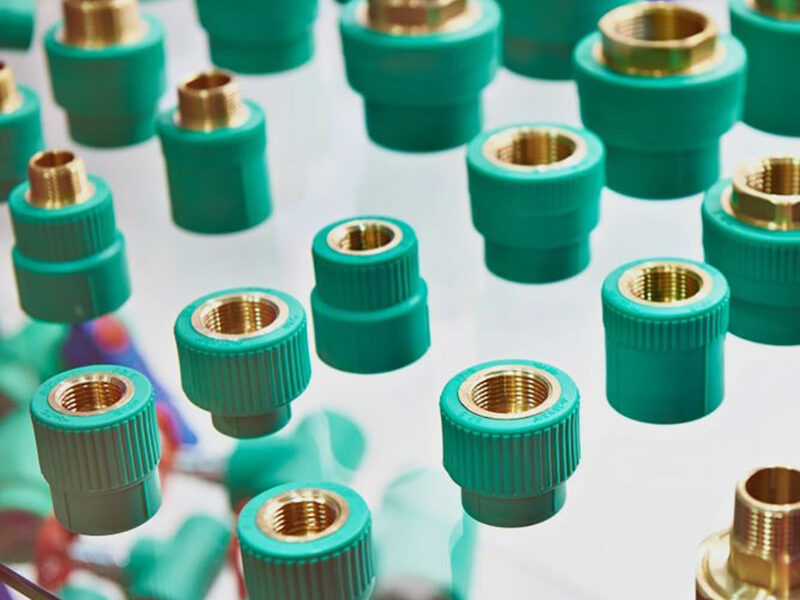
How do innovations and advancements in injection molding technology influence part design and production?
Innovations and advancements in injection molding technology have a significant influence on part design and production. These advancements introduce new capabilities, enhance process efficiency, improve part quality, and expand the range of applications for injection molded parts. Here’s a detailed explanation of how innovations and advancements in injection molding technology influence part design and production:
Design Freedom:
Advancements in injection molding technology have expanded the design freedom for part designers. With the introduction of advanced software tools, such as computer-aided design (CAD) and simulation software, designers can create complex geometries, intricate features, and highly optimized designs. The use of 3D modeling and simulation allows for the identification and resolution of potential design issues before manufacturing. This design freedom enables the production of innovative and highly functional parts that were previously challenging or impossible to manufacture using conventional techniques.
Improved Precision and Accuracy:
Innovations in injection molding technology have led to improved precision and accuracy in part production. High-precision molds, advanced control systems, and closed-loop feedback mechanisms ensure precise control over the molding process variables, such as temperature, pressure, and cooling. This level of control results in parts with tight tolerances, consistent dimensions, and improved surface finishes. Enhanced precision and accuracy enable the production of parts that meet strict quality requirements, fit seamlessly with other components, and perform reliably in their intended applications.
Material Advancements:
The development of new materials and material combinations specifically formulated for injection molding has expanded the range of properties available to part designers. Innovations in materials include high-performance engineering thermoplastics, bio-based polymers, reinforced composites, and specialty materials with unique properties. These advancements allow for the production of parts with enhanced mechanical strength, improved chemical resistance, superior heat resistance, and customized performance characteristics. Material advancements in injection molding technology enable the creation of parts that can withstand demanding operating conditions and meet the specific requirements of various industries.
Process Efficiency:
Innovations in injection molding technology have introduced process optimizations that improve efficiency and productivity. Advanced automation, robotics, and real-time monitoring systems enable faster cycle times, reduced scrap rates, and increased production throughput. Additionally, innovations like multi-cavity molds, hot-runner systems, and micro-injection molding techniques improve material utilization and reduce production costs. Increased process efficiency allows for the economical production of high-quality parts in larger quantities, meeting the demands of industries that require high-volume production.
Overmolding and Multi-Material Molding:
Advancements in injection molding technology have enabled the integration of multiple materials or components into a single part through overmolding or multi-material molding processes. Overmolding allows for the encapsulation of inserts, such as metal components or electronics, with a thermoplastic material in a single molding cycle. This enables the creation of parts with improved functionality, enhanced aesthetics, and simplified assembly. Multi-material molding techniques, such as co-injection molding or sequential injection molding, enable the production of parts with multiple colors, varying material properties, or complex material combinations. These capabilities expand the design possibilities and allow for the creation of innovative parts with unique features and performance characteristics.
Additive Manufacturing Integration:
The integration of additive manufacturing, commonly known as 3D printing, with injection molding technology has opened up new possibilities for part design and production. Additive manufacturing can be used to create complex mold geometries, conformal cooling channels, or custom inserts, which enhance part quality, reduce cycle times, and improve part performance. By combining additive manufacturing and injection molding, designers can explore new design concepts, produce rapid prototypes, and efficiently manufacture customized or low-volume production runs.
Sustainability and Eco-Friendly Solutions:
Advancements in injection molding technology have also focused on sustainability and eco-friendly solutions. This includes the development of biodegradable and compostable materials, recycling technologies for post-consumer and post-industrial waste, and energy-efficient molding processes. These advancements enable the production of environmentally friendly parts that contribute to reducing the carbon footprint and meeting sustainability goals.
Overall, innovations and advancements in injection molding technology have revolutionized part design and production. They have expanded design possibilities, improved precision and accuracy, introduced new materials, enhanced process efficiency, enabled overmolding and multi-material molding, integrated additive manufacturing, and promoted sustainability. These advancements empower part designers and manufacturers to create highly functional, complex, and customized parts that meet the demands of various industries and contribute to overall process efficiency and sustainability.
Apakah ada berbagai jenis komponen hasil cetakan injeksi, seperti komponen otomotif atau perangkat medis?
Ya, ada berbagai jenis komponen cetakan injeksi yang dirancang khusus untuk berbagai industri dan aplikasi. Pencetakan injeksi adalah proses manufaktur serbaguna yang mampu menghasilkan komponen kompleks dan presisi dengan efisiensi dan pengulangan yang tinggi. Berikut beberapa contoh berbagai jenis komponen cetakan injeksi:
1. Komponen Otomotif:
Pencetakan injeksi memainkan peran penting dalam industri otomotif, di mana ia digunakan untuk memproduksi berbagai macam komponen. Beberapa komponen otomotif yang umum dibuat dengan pencetakan injeksi meliputi:
- Komponen interior: Panel dasbor, gagang pintu, trim, panel instrumen, dan konsol tengah.
- Komponen eksterior: Bumper, gril, panel bodi, rumah kaca spion, dan penutup roda.
- Komponen di bawah kap mesin: Penutup mesin, manifold saluran masuk udara, bagian sistem pendingin, dan wadah baterai.
- Komponen listrik: Konektor, sakelar, rumah sensor, dan rangkaian kabel.
- Komponen tempat duduk: Rangka tempat duduk, sandaran kepala, sandaran lengan, dan komponen sabuk pengaman.
2. Perangkat Medis:
Industri medis bergantung pada pencetakan injeksi untuk produksi berbagai macam perangkat dan komponen medis. Bagian-bagian ini seringkali membutuhkan presisi tinggi, biokompatibilitas, dan kemampuan sterilisasi. Contoh perangkat medis yang dicetak dengan injeksi meliputi:
- Jarum suntik dan pena injeksi
- Perangkat implan: Kateter, komponen alat pacu jantung, implan ortopedi, dan instrumen bedah.
- Peralatan diagnostik: Tabung reaksi, wadah spesimen, dan bahan habis pakai laboratorium.
- Produk medis sekali pakai: komponen infus, masker pernapasan, tabung pengumpul darah, dan produk perawatan luka.
3. Produk Konsumen:
Pencetakan injeksi banyak digunakan dalam produksi produk konsumen karena kemampuannya untuk memproduksi komponen secara massal dengan efisiensi tinggi. Contoh produk konsumen yang dicetak dengan metode injeksi meliputi:
- Peralatan rumah tangga: Komponen televisi dan peralatan audio, suku cadang lemari es, dan komponen penyedot debu.
- Elektronik: Casing ponsel, keyboard dan mouse komputer, komponen kamera, dan adaptor daya.
- Mainan dan permainan: Figur aksi, balok susun, teka-teki, dan komponen permainan papan.
- Produk perawatan pribadi: Sikat gigi, gagang pisau cukur, wadah kosmetik, dan komponen pengering rambut.
- Produk perbaikan rumah: Penutup sakelar lampu, gagang pintu, wadah perkakas listrik, dan wadah penyimpanan.
4. Pengemasan:
Pencetakan injeksi banyak digunakan dalam industri pengemasan untuk memproduksi berbagai macam wadah plastik, tutup, penutup, dan komponen pengemasan. Beberapa contohnya meliputi:
- Botol dan wadah untuk makanan, minuman, produk perawatan pribadi, dan bahan kimia rumah tangga.
- Tutup dan penutup untuk botol dan toples.
- Kemasan berdinding tipis untuk produk makanan seperti nampan, gelas, dan tutup.
- Kemasan blister dan kemasan clamshell untuk produk ritel.
- Sisipan kemasan dan komponen busa pelindung.
5. Elektronik dan Komponen Listrik:
Pencetakan injeksi banyak digunakan dalam industri elektronik untuk produksi berbagai komponen dan wadah. Contohnya meliputi:
- Konektor dan wadah untuk perangkat listrik dan elektronik.
- Sakelar, tombol, dan panel kontrol.
- Komponen dan wadah PCB (Papan Sirkuit Cetak).
- Komponen dan perlengkapan lampu LED (Light-Emitting Diode).
- Adaptor daya dan pengisi daya.
Ini hanyalah beberapa contoh dari berbagai jenis komponen yang dicetak dengan metode injeksi. Fleksibilitas pencetakan injeksi memungkinkan produksi komponen di berbagai industri, mulai dari otomotif dan medis hingga produk konsumen, pengemasan, elektronik, dan banyak lagi. Persyaratan desain spesifik dan karakteristik kinerja setiap komponen menentukan pilihan material, perkakas, dan proses manufaktur untuk pencetakan injeksi.
<img src="https://img.hzpt.com/img/Injectionmoldedparts/Injectionmoldedparts-L1.webp" alt="China supplier Source Factory Produce Injection Moulding CHINAMFG Custom Molded ABS CHINAMFG “><img src="https://img.hzpt.com/img/Injectionmoldedparts/Injectionmoldedparts-L2.webp" alt="China supplier Source Factory Produce Injection Moulding CHINAMFG Custom Molded ABS CHINAMFG “>
editor by Dream 2024-10-12